
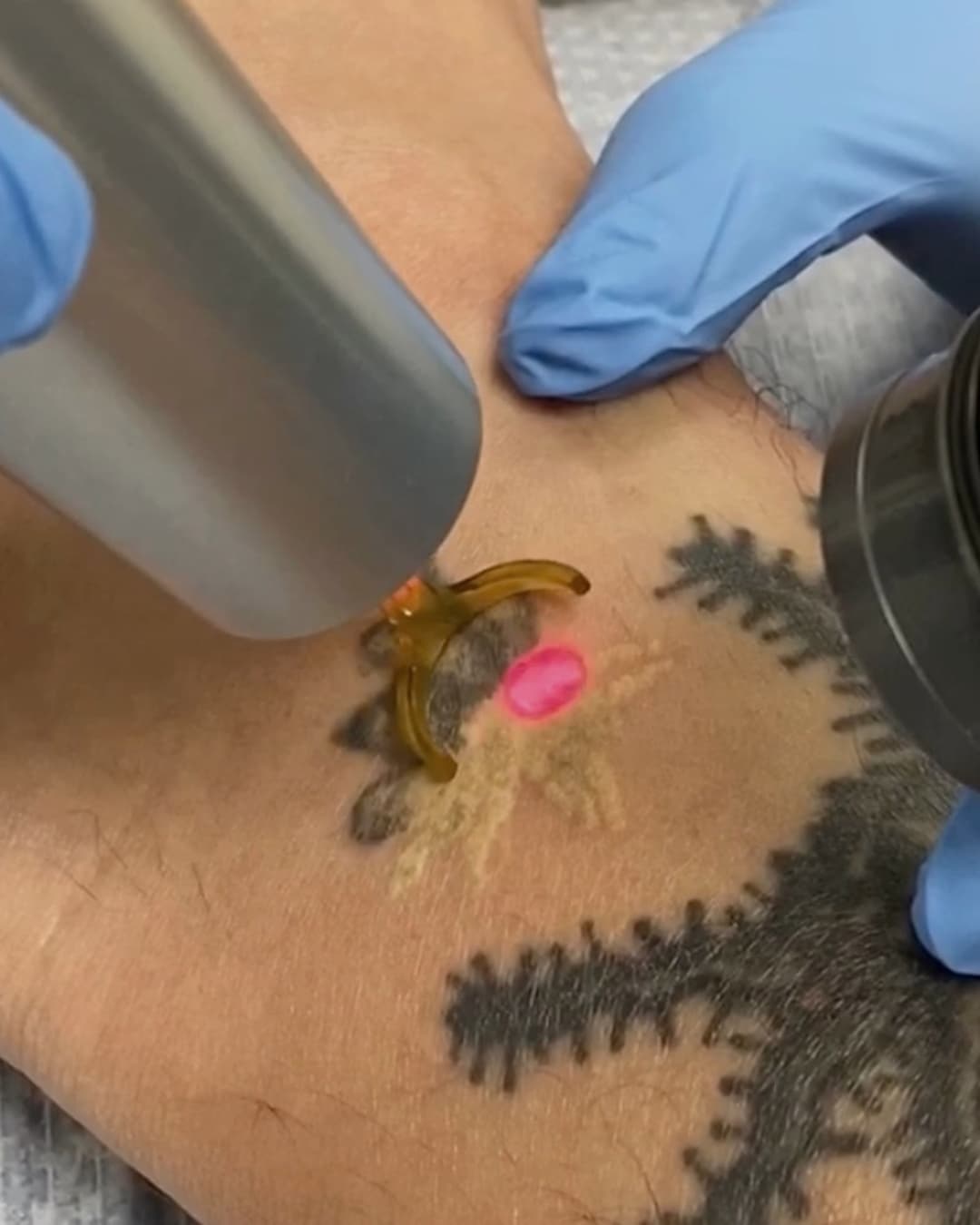
Summer puts a lot of removal plans on pause. Between beach trips, outdoor festivals, and the kind of sun exposure that makes aftercare genuinely harder to follow, the timing rarely cooperates. That is not a failure of planning. For many people, it is the honest reality of what summer looks like.
Autumn is a different story. Most of those competing variables disappear at once, and for anyone who has been putting off starting laser tattoo removal, the next few months offer as clean a window as the calendar provides.
Why the sun constraint is simpler in autumn
Both the pre-treatment and post-treatment protocols for laser tattoo removal require keeping the treatment area out of direct sun. The two weeks before a session, the skin needs to be as untanned as possible - active, sun-darkened skin reduces the contrast between the tattoo pigment and the surrounding tissue, limiting how aggressively the technician can work. After a session, the treated skin is more sensitive to UV and needs protection through the healing window.
In autumn and winter, this constraint manages itself. The body is covered. Days are shorter. Areas that require active effort to protect in summer - forearms, the back of the hand, feet, the base of the neck - are under fabric for most of the day without any special planning.
This does not mean removal is impossible in summer. Many clients manage it well with targeted coverage, and Studio Kiku treats clients year-round. But for tattoos in frequently exposed locations, autumn removes a friction point that summer introduces.
Doing the session math before next summer
Sessions at Studio Kiku are spaced at least eight weeks apart. Starting in September, a client on that schedule can complete sessions in September, November, January, March, and May - five sessions before the first summer long weekend arrives.
Five sessions is significant. For smaller or less saturated pieces, five sessions can represent the majority of the removal process. For larger, heavily saturated work, it is real progress - the difference between a piece that remains and one that has faded substantially. Each session the body completes in autumn generates clearance that continues building through the weeks that follow.
As Billy DeCola, Studio Kiku's founder, explains in The Faded Podcast episode on common removal mistakes: "At the end of the day, your body's doing most of the work. The laser is just getting the party started."
Getting back on track after a summer pause
For clients who had removal underway and stepped back for summer, the process does not reset during a gap. Fading that occurred in earlier sessions remains. The sessions deferred simply mean those rounds of clearance did not happen - but the results of previous sessions are not lost.
The earlier in autumn you rebook, the more of that clearance window the body gets before the next warm season. If the pause ran longer than planned, the first appointment back is a good opportunity to check in with the technician on where things stand - confirm whether the original session estimate still holds and map out what comes next.
Starting in fall is strategic, not a shortcut
Autumn improves the conditions for removal. It does not change how many sessions your tattoo requires, and it does not change the rate at which your body clears pigment. Both of those are determined by the tattoo itself - its saturation, depth, colour, and how your immune system responds.
Billy DeCola is direct on this point: "The best results always come from proper spacing, not aggressive scheduling."
What autumn provides is a window where spacing sessions eight weeks apart is simpler to manage, sun exposure on the treatment area is minimal, and the lifestyle factors that compete with aftercare are reduced. That is a meaningful advantage. It is not a bypass.
If a specific timeline matters - being clear or significantly faded before next summer, for example - a consultation is the place to start. The technician will look at the specific tattoo, give a realistic session range, and tell you whether that kind of outcome is achievable in the time available. For some pieces it is. For others, knowing the accurate timeline early is far better than planning around an outcome that is not yet possible.
A free consultation at Studio Kiku covers the tattoo in person, a realistic session estimate, and a walk-through of the full laser tattoo removal aftercare protocol before the first appointment. Book a consultation at the Vancouver, Langley, or Vaughan studio.
Thanks for reading.